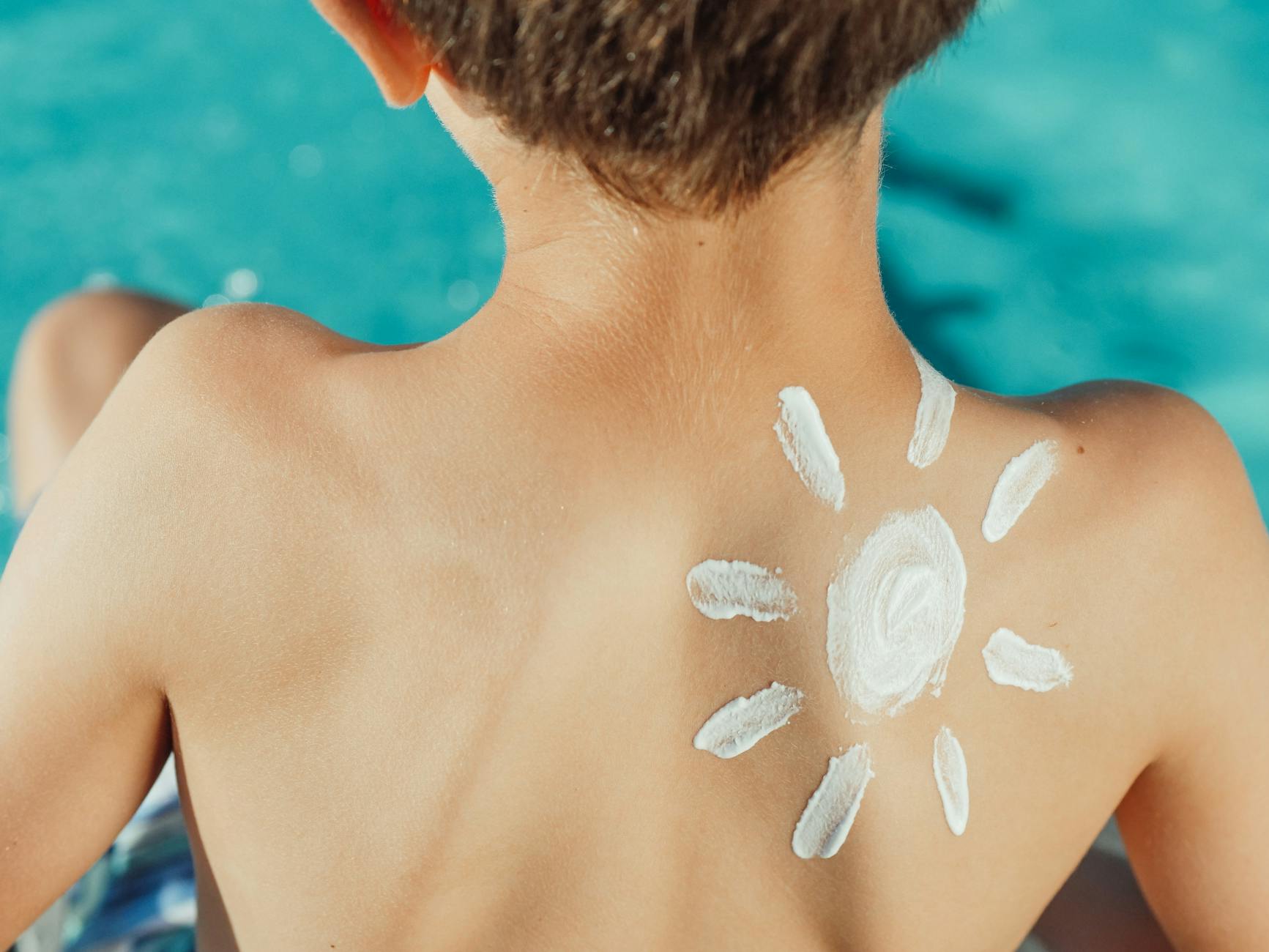
Are Your Sunscreen Choices Safe for Australia's Tropical Waters?
Understanding Sunscreen Ingredients
Venturing out into our stunning landscapes, whether exploring the Daintree Rainforest or snorkelling in the Great Barrier Reef, requires thoughtful preparation, especially regarding sun protection. I often get asked about the difference between chemical and mineral sunscreens, so let’s break it down. Kids sunscreen and adult versions tend to contain similar ingredients, but the primary consideration should be the type and safety profile of these ingredients. Chemical sunscreens absorb UV rays, offering effective protection but sometimes including substances like oxybenzone, which can be harmful to marine ecosystems.
In contrast, mineral sunscreens rely on natural ingredients like zinc oxide and titanium dioxide. These create a physical barrier on your skin, reflecting the sun's rays rather than absorbing them. Crucially, mineral sunscreens are often reef safe sunscreen alternatives, reducing the negative impact on marine life when you take a dip in places like the Cairns Esplanade Lagoon.
As someone committed to environmental conservation, I encourage using sunscreens free from parabens, phthalates, and synthetic fragrances. Instead, look for eco-friendly choices that safeguard your skin and the ecosystems we love to explore. Remember, making informed decisions about sun protection not only preserves your health but also the natural environments we treasure so much.
Tropical Waters and Sunscreen
Reef Ecosystem Overview
As someone who often finds themselves near the vibrant waters of the Great Barrier Reef, like many of us exploring the Daintree Rainforest trails, I'm passionate about safeguarding this unique marine environment. The reef's delicate ecosystem is a tapestry of life, where coral and marine creatures thrive in a complex symbiotic dance. However, the health of these ecosystems is increasingly threatened by human activities, including the chemicals found in everyday sunscreen.
Effects of Common Sunscreen
Many sunscreens contain harmful ingredients that can contribute to coral bleaching, disrupting these ecosystems. Steps can be taken to minimise this impact, such as selecting reef-safe alternatives. Reef-safe sunscreens typically avoid chemicals like oxybenzone and octinoxate that are especially damaging. Instead, they use non-nano zinc oxide or titanium dioxide. As someone keen on eco-friendly practices, using these alternatives can make a world of difference.
Cases from The Great Barrier Reef
The Great Barrier Reef, a landmark known to both locals and visitors alike, has offered critical insights into the adverse effects of certain sunscreens. Studies here have demonstrated that popular sunscreens contribute to the degradation of coral reefs, setting off alarms for those of us committed to preserving marine biodiversity. By choosing products like baby sunscreen tailored for sensitive skin and eco-conscious living, we can help protect our precious oceans while enjoying Australia's natural beauty.
Eco-Friendly Sunscreen Options
Key Ingredients to Seek
When selecting eco-friendly sunscreen, it's essential to focus on ingredients that are gentle on both the skin and the environment. A critical component to consider is zinc sunscreen, known for its efficacy in providing broad-spectrum protection without causing harm to our fragile marine ecosystems. Opting for sunscreens that utilise natural minerals like zinc oxide can help reduce the risk of skin damage while being mindful of the environment.
New Developments and Innovations
In recent years, there has been a surge in innovative sun protection solutions that prioritise both health and environmental welfare. Brands are actively developing biodegradable formulas and packaging that strive to minimise the ecological footprint. These advancements ensure sun safety while preserving precious natural habitats like the Great Barrier Reef's captivating underwater world.
Application Techniques for Maximum Protection
For those spending time exploring places like the Daintree Rainforest or lounging by the Cairns Esplanade Lagoon, it's crucial to apply sunscreen effectively. Start by using a sufficient amount of sunscreen and evenly distribute it across all exposed skin areas. Remember to reapply every two hours, especially after swimming or sweating. Bringing along a small, portable container can make reapplication less of a chore during outdoor activities. Embracing these practices ensures you're prepared for sun-soaked adventures while safeguarding the environment you love.
Best Practices for Outdoor Enthusiasts
Effective Sun Protection Choices
When you find yourself spending time outdoors, safeguarding your skin without harming the environment becomes paramount. The choice of sunscreen is crucial, especially in ecologically sensitive areas like the Great Barrier Reef. Opting for natural sunscreen is more than a lifestyle choice—it’s a bid to protect our fragile marine ecosystems. These sunscreens typically use zinc or titanium dioxide, which lack the harmful chemicals that can bleach coral reefs. Explore sunscreens that highlight being "reef-safe" and exclude oxybenzone and octinoxate.
Sunscreen Reapplication in Active Settings
For someone who thrives on activity, like trekking through the dense foliage of the Daintree Rainforest or engaging in water sports, the process of reapplication is something you cannot overlook. A sunscreen stick or spray can be a convenient addition to your backpack. Simply apply 15 minutes before heading out and remember to reapply every two hours, more often if swimming or sweating profusely.
Balancing Skin and Environmental Safety
Creating harmony between personal skin protection and environmental conservation isn't just beneficial—it's essential. Consider pairing broad-brimmed hats or UV-blocking clothing with your natural sunscreen for additional sun protection. This dual approach can reduce chemical use and extend the time between reapplications. By prioritising reef-safe products, you’re not only preserving your skin but also helping maintain the unique biodiversity in regions like the Cairns Esplanade Lagoon.
Embracing Eco-Friendly Sunscreens
Choosing the Right Sunscreen for You
When gearing up for a day in the sun, whether you're exploring the Daintree Rainforest or taking a dip at the Cairns Esplanade Lagoon, it's crucial to pick a sunscreen that shields your skin while safeguarding our precious ecosystems. Look for labels that highlight ingredients like non-nano zinc oxide or titanium dioxide. These components don't bleach coral and are gentle on our Great Barrier Reef.
Decoding Labels for Environmental Safety
In a bid to make informed decisions, it's essential to decode sunscreen labels accurately. Avoid products with oxybenzone and octinoxate, notorious for their damage to marine life. Instead, opt for formulations proudly stating they are reef-safe. By choosing such products, you become a part of a growing community committed to preserving our oceans and enjoying nature responsibly.
Effective Application and Reapplication
Once you've chosen a suitable sunscreen, the next step is proper application. Apply generously to all exposed skin about 20 minutes before heading out. Remember, if you're enjoying an active day outdoors or cooling off in the water, reapply every two hours. Being lavish with your sunscreen not only protects your skin but ensures you're doing your bit for Mother Nature.
Empowerment comes from making choices that harmonise with the environment, like selecting the right eco-friendly sunscreens for our wild adventures. Each application means more than just protection; it's a promise to tread lightly on our earth.